




The idea of handing your raw footage to someone else can be daunting. You might worry about the cost, finding someone who understands your unique style, or losing control over the final product. These are valid concerns, but they often stem from common myths about the process. The truth is, when done right, the decision to outsource YouTube video editing can be one of the most effective moves you make to scale your content engine. It’s about finding a creative partner, not just a contractor. This article will walk you through the entire process, from finding the right talent to building a foolproof communication system.
Key Takeaways
- Reclaim strategic hours for growth. Outsourcing video editing isn't just about offloading a task; it's about freeing up your team to focus on high-value work like content strategy, performance analysis, and audience development.
- Systematize your creative vision for consistency. A successful partnership relies on clear direction. Use detailed briefs, a brand style guide, and visual examples to empower your editor to execute your vision perfectly every time, reducing revisions and ensuring brand alignment.
- Delegate the entire post-production workflow, not just the cuts. A skilled editor can handle everything from color grading and motion graphics to repurposing your videos for social media, maximizing the value of every piece of content you create.
What Does It Mean to Outsource YouTube Video Editing?
Outsourcing your YouTube video editing means hiring an external professional to handle the post-production of your videos. Instead of you or your team spending hours cutting clips, color grading, mixing audio, and adding graphics, you hand the raw footage over to an expert who polishes it into a final product. This could be a freelancer you find on a marketplace, a specialized creative agency, or a full-time, dedicated video editor who integrates directly into your workflow.
Many creators and marketing leaders hesitate at first. It’s common to worry about the cost, the time it takes to find the right person, or losing the unique style that defines your channel. But thinking of outsourcing as a strategic partnership rather than just a delegated task can change your perspective. When you find the right editor, they become a collaborator who learns your brand inside and out. The goal isn’t just to get a task off your plate; it’s to free up your internal team to focus on high-level strategy and content creation, all while improving the quality and consistency of your output. It’s a key operational shift that allows successful channels to scale their production without burning out.
How Outsourcing Works for Creators
The most immediate benefit of outsourcing video editing is reclaiming your time. Post-production is notoriously time-consuming, and handing it off frees you to focus on activities that actually grow your channel and business. Instead of being stuck in an editing timeline, you can reinvest those hours into developing your content strategy, filming more videos, or engaging with your community in the comments. This shift allows you to move from being a technician in your business to its creative director. You can spend more time analyzing performance, planning future content pillars, and exploring monetization opportunities like brand partnerships, knowing the production engine is running smoothly in the background.
Why Top Creators Outsource Editing
Top creators and brands treat their YouTube channel like a media company, and successful media companies rely on specialized teams. They outsource editing because it’s a matter of scalability and quality. A single person can only do so much, and as a channel grows, editing becomes a major bottleneck that slows down content velocity. Bringing in a professional editor ensures a consistent publishing schedule and a high standard of quality for every video. The value of a dedicated operator goes beyond just saving time; a skilled editor can elevate your content with better pacing, storytelling, and visual effects that keep viewers engaged longer. This professional polish builds brand credibility and helps your videos stand out in a crowded space.
The Benefits of Outsourcing Your Video Editing
Handing off your video editing is more than just a time-saver; it’s a strategic move that allows your team to scale content production, refine your brand’s quality, and focus on what truly drives channel growth. When you’re trying to build a consistent presence on a platform as demanding as YouTube, getting bogged down in the technical details of post-production can stall your momentum.
By bringing in a dedicated editor, you’re not just delegating a task—you’re investing in efficiency and expertise. This allows your internal team to shift their energy from the time-intensive editing process to higher-level strategic work. Think of it as adding a specialist to your roster so your core players can focus on winning the game. Let’s break down the key advantages this brings to your brand.
Save Time and Get More Done
Video editing is notoriously time-consuming. For every minute of finished video, there can be hours of work behind the scenes cutting raw footage, syncing audio, and color grading. When your team is handling this in-house, that’s valuable time that could be spent on content strategy, scripting, or community engagement. Outsourcing frees up your team to focus on creating more content and pursuing growth opportunities. As creator Ali Abdaal puts it, "By paying someone else to do tasks that take a lot of time (like editing), you can use your own time to create more videos... or focus on other important parts of your business." This shift allows you to increase your output without burning out your team.
Achieve Professional Quality and Consistency
A skilled video editor does more than just cut clips together; they bring a professional polish that can significantly elevate your content. They have a deep understanding of pacing, visual storytelling, and audio mixing that makes your videos more engaging and visually appealing. This level of quality helps your brand stand out and builds credibility with your audience. A dedicated Video Editor ensures every video aligns with your brand’s style, creating a consistent and recognizable look and feel across your channel. This consistency is key to building a loyal subscriber base that trusts your brand and eagerly awaits your next upload.
Focus on Strategy and Growing Your Audience
When you’re not stuck in the weeds of post-production, you can concentrate on the bigger picture. Outsourcing the technical work allows your team to dedicate their efforts to analyzing performance, engaging with your community, and developing strategies to expand your reach. This strategic focus is crucial for sustainable growth. It’s a move best suited for teams that are already producing content regularly and are ready to scale. By delegating the execution, you empower your team to work on the channel, not just in it. This is how you move from simply making videos to building a powerful marketing asset for your business.
What Video Editing Tasks Can You Hand Off?
When you think about outsourcing video editing, you probably picture someone cutting out your "ums" and "ahs." While that’s part of it, a skilled editor can manage nearly the entire post-production process, freeing you up to focus on strategy and filming. The key is to understand the full spectrum of tasks you can delegate. Let's break it down into three main categories: the foundational edits, the advanced finishing touches, and the creative support that brings it all together.
Core Editing Tasks
This is where most people start, and for good reason. Core editing tasks are the most time-consuming and repetitive parts of the process. Handing them off gives you an immediate time savings. A dedicated Video Editor can take your raw footage and handle all the fundamentals, like cutting out mistakes, arranging clips to tell a clear story, and adding basic B-roll. They can also manage simple color correction, balance audio levels, and add standard graphics like titles and lower thirds. This builds a strong foundation for every video you produce.
Advanced Post-Production
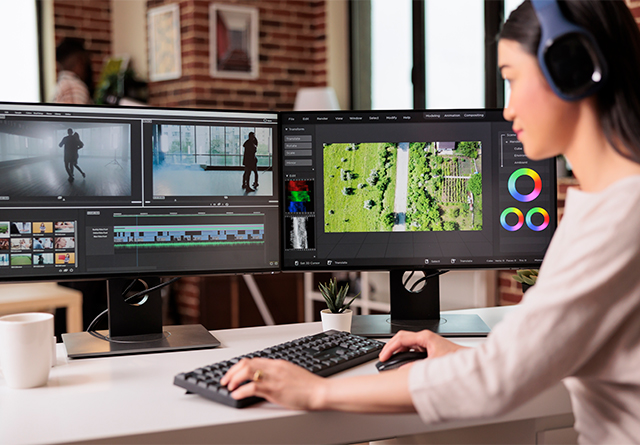
Once the basic structure is in place, advanced post-production is what makes your content stand out. These are the specialized skills that create a polished, high-end feel. You can have your editor implement advanced color grading to establish a specific mood, create custom motion graphics, or perform detailed sound design to make the viewing experience more immersive. This is also where you can get strategic with your assets, asking an editor to repurpose your primary YouTube video into vertical clips for TikTok, Shorts, and Reels, ensuring you get the most mileage out of every piece of content.
Creative Support Services
A great video assistant can be more than just an editor; they can be a creative partner. If you struggle with getting ideas down on paper, you can hand off scriptwriting and research. As creator Ali Abdaal explains, a writer can help turn your thoughts into great video scripts. You can also delegate one of the most critical parts of your YouTube strategy: thumbnail design. Instead of treating it as an afterthought, a specialist can create compelling, clickable thumbnails for every video. This extends to brainstorming new topics and planning your content calendar.
How Much Does Outsourced YouTube Video Editing Cost?
Let's talk numbers. Budgeting for video editing can feel like a moving target, but understanding the pricing models and key cost factors will help you make a smart investment. The price you pay depends heavily on how you hire talent and the complexity of your projects. Whether you’re producing a simple weekly vlog or a high-production brand film, there’s an editing solution that fits your budget. You can work with freelancers for one-off projects, partner with an agency for a full-service approach, or embed a dedicated editor into your team for consistent, ongoing support. Each path comes with a different price point and level of involvement.
The key is to find the right balance between cost, quality, and reliability. While it’s tempting to go for the cheapest option, remember that great editing is an investment in your brand's perception. For growing companies, consistent, high-quality video is non-negotiable for building trust and authority with your audience. A skilled editor not only makes your videos look professional but also helps tell your story more effectively, which can lead to better engagement, higher conversions, and a stronger brand identity in a crowded market.
Hourly vs. Project-Based Pricing
Video editors typically charge in one of three ways: by the hour, per project, or on a monthly retainer. Freelancers often work on an hourly basis, with rates ranging from $20 to over $100 per hour depending on their experience. This can be flexible for one-off tasks, but costs can become unpredictable. Project-based pricing offers a flat fee for a finished video, with simple packages starting around $250. This gives you cost certainty, which is great for budgeting. For a steady stream of content, a monthly retainer or a dedicated, full-time editor provides the most stability and value. This approach, which is central to our pricing model, ensures you have consistent support without the fluctuating costs of hourly work.
What Influences the Final Cost?
Several factors determine the final price tag for video editing. An editor’s experience and specialized skills are the biggest drivers—an expert in motion graphics or advanced color grading will naturally charge more than someone who only handles basic cuts. The complexity and length of your video also play a huge role. A 10-minute talking-head video with minimal graphics is much simpler and cheaper to produce than a multi-camera shoot with extensive B-roll and custom animations. Other factors include turnaround time (rush jobs cost more) and the editor’s location. For high-stakes content like product launches or brand campaigns, investing in a highly skilled Video Editor from the start saves you time and money by ensuring the final product is polished and effective on the first go.
Where to Find a Great YouTube Video Editor
Once you’re ready to hand off your editing, the next step is finding the right talent. The best option depends on your budget, content volume, and how involved you want to be. Generally, you can choose from three main paths: hiring a freelancer for specific projects, partnering with a specialized agency, or bringing on a dedicated editor to act as an extension of your team.
Freelance Marketplaces
Freelance marketplaces are a great place to start if you’re new to outsourcing or have an inconsistent publishing schedule. Platforms like Fiverr connect you with a massive pool of editors for one-off projects or short-term contracts. You can find talent at nearly every price point, making it a flexible option when you’re testing the waters. The main challenge is the vetting process—it can take time to sift through profiles and find a reliable editor who truly understands your style. While great for single tasks, managing multiple freelancers for a consistent workflow can become a job in itself.
Specialized Editing Agencies
If you’re producing a steady stream of content and need a more reliable, hands-off solution, a specialized editing agency might be the right fit. These companies employ teams of editors and offer a managed service, which means you get a dedicated point of contact and built-in quality control. They can handle higher volumes and a wide range of editing needs, from standard YouTube vlogs to polished corporate videos. While this option often comes at a higher price than a single freelancer, you’re paying for consistency, scalability, and the peace of mind that comes with a professional, streamlined process. It’s an excellent choice for businesses that need dependable output without managing individual contributors.
Dedicated, Full-Time Editors
For creators and brands serious about scaling their YouTube presence, hiring a dedicated, full-time editor is the most effective long-term strategy. This person becomes a core part of your team, deeply understanding your brand, audience, and creative vision. Unlike freelancers or agencies, a dedicated editor is fully invested in your channel’s growth. Top YouTubers often go this route because it ensures unmatched consistency and allows them to offload more creative responsibility over time. This model lets you build a powerful partnership, streamline your workflow, and focus entirely on creating great content. Finding this elite global talent is simpler than ever, giving you a true operational partner.
How to Choose the Right Video Editor
Finding the right video editor is less like hiring a contractor and more like finding a creative partner. This person will be responsible for shaping your raw footage into a final product that reflects your brand and engages your audience. The goal isn't just to find someone who knows their way around editing software; it's to find someone who can become a seamless extension of your team. A great editor doesn't just follow instructions—they understand your vision, contribute ideas, and consistently deliver high-quality work that helps you scale your content production. This partnership is what allows top creators and brands to maintain a consistent publishing schedule without sacrificing quality.
When you're ready to hire, focus your evaluation on three key areas: technical proficiency, creative alignment, and communication. Think of these as the three legs of a stool—if one is weak, the whole process can become wobbly. Nailing these three components will help you find a reliable partner who can handle the post-production workload, freeing you up to focus on strategy and growth. Whether you’re looking for a freelancer or a dedicated, full-time team member, using this framework will help you make a confident and successful hire.
Technical Skills and Portfolio
Before anything else, you need to confirm that a candidate has the technical chops to do the job well. The most direct way to do this is by reviewing their portfolio. As one creator advises, "Always ask to see examples of their past videos, especially ones that match the style or topic you want." Look for more than just flashy effects; pay close attention to the fundamentals. Are the cuts clean? Is the pacing effective? Is the audio mixed well, and is the color grading consistent? These details separate a good editor from a great one. A strong portfolio demonstrates a solid grasp of post-production principles and an ability to produce polished, professional content.
Creative Fit and Style Alignment
Technical skill is essential, but it’s only half the battle. Your editor also needs to understand and align with your brand’s unique creative style. It’s worth taking the time to "find an editor who understands what you want your videos to look like." This might mean trying out a few candidates with paid test projects to see who best captures your vision. Do you prefer fast-paced, energetic cuts, or a more cinematic and thoughtful pace? Does your brand use a lot of on-screen text and graphics? Finding someone whose natural style complements your own will save you countless hours in feedback and revisions down the line, ensuring your video content remains consistent and on-brand.
Communication and Reliability
A great working relationship is built on clear communication and trust. To set your editor up for success, you need to be incredibly clear with your instructions. Don't just send a folder of footage with a vague request; instead, provide a detailed brief or storyboard that outlines exactly what you want. This prevents misunderstandings and ensures the first draft is much closer to your final vision. Look for an editor who is responsive, asks clarifying questions, and is receptive to feedback. A reliable video editor who consistently meets deadlines and communicates proactively is an invaluable asset who will help you build a scalable and efficient content workflow.
How to Clearly Communicate Your Vision to an Editor
Bringing a video editor onto your team is a huge step, but simply handing off raw footage isn't enough. The success of your partnership depends entirely on how well you can translate the vision in your head into actionable instructions for your editor. When communication breaks down, you end up with endless revisions, missed deadlines, and a final product that doesn’t feel like you.
The goal isn't to find an editor who can read your mind, but to build a clear, repeatable system that sets them up for success from day one. By creating detailed briefs, using visual examples, and establishing a structured feedback loop, you can build a seamless workflow that produces high-quality content consistently. This process not only saves you time but also empowers your editor to become a true creative partner.
Create a Detailed Brief and Style Guide
The single most effective tool for clear communication is a detailed creative brief. Sending a folder of clips with a note that says "make it look great" is a recipe for frustration. Instead, think of your brief as a storyboard or a blueprint for the final video. Outline the key talking points, specify the desired pacing, and note any clips or b-roll that must be included. The more specific you are upfront, the closer the first draft will be to your vision.
To maintain consistency across all your content, create a style guide or a Standard Operating Procedure (SOP). This document is a central resource that details your channel’s unique aesthetic. It should include your brand fonts, color palettes, preferred transition styles, and guidelines for music and sound effects. A strong style guide ensures that any editor, whether they’re a new hire or a long-term partner, can produce work that aligns perfectly with your brand.
Use Visual References and Feedback Tools
Sometimes, words aren't enough to capture a specific look or feel. This is where visual references become invaluable. Instead of trying to describe a certain jump-cut style or a type of text animation, find an example of it. Create a swipe file of YouTube videos you admire and include links with timestamps in your brief, explaining exactly what you like about each reference. This gives your editor a concrete visual target to aim for.
When it comes to giving feedback, precision is key. Vague notes like "the pacing feels off" are hard to act on. Use tools that allow for timestamped comments, so you can pinpoint the exact moments that need adjustment. Platforms like Frame.io are built for this, but even leaving comments on a private YouTube or Vimeo link works well. This approach removes ambiguity and helps your video editor understand your feedback instantly.
Establish a Clear Revision Process
Before any editing begins, agree on a clear process for revisions. Define how many rounds of feedback are included in the scope of work and what the expected turnaround time is for each. This manages expectations for both you and your editor, preventing scope creep and delays. When you provide feedback, consolidate all your notes into a single document or email. Sending multiple messages with small, scattered changes can be confusing and inefficient.
Good editors appreciate clear, constructive feedback—it helps them deliver exactly what you want. However, if you find that an editor consistently struggles to implement your feedback after a few rounds, it might be a sign that it’s not the right fit. Your time is better spent creating content, not teaching fundamental editing skills. Having a vetted, role-trained professional from the start can help you avoid this problem and ensure quality from day one.
Common Myths About Outsourcing Video Editing
Handing over your raw footage can feel like a huge leap of faith. It’s natural to have reservations, especially when you’ve poured so much of yourself into your content. Many of the common fears about outsourcing video editing are based on a few persistent myths. Let's clear the air on some of the biggest ones so you can make a decision that feels right for your channel's growth.
Myth #1: It’s Too Expensive
The sticker shock of hiring an editor is a major hurdle for many creators. But instead of viewing it as just another expense, it’s helpful to think of it as an investment in your channel. The real question is: what is your time worth? Every hour you spend on tedious editing tasks is an hour you're not spending on filming, strategy, or brand partnerships. Outsourcing frees you up to focus on high-impact activities that actually grow your audience and revenue. Plus, with different hiring models available, you can find a solution that fits your budget, from project-based freelancers to full-time dedicated editors who become a core part of your team.
Myth #2: You’ll Lose Your Unique Style
Your editing style is a huge part of your brand's personality, so it’s completely understandable to worry about losing that special touch. But a great editor doesn’t take over your style—they adopt it. The key is finding someone who gets your vision and establishing a clear line of communication from the start. You can maintain full creative direction by creating a detailed style guide with examples of your favorite cuts, transitions, and graphics. It might take a bit of trial and error to find the perfect match, but once you do, your editor will feel like a true extension of your creative brain, consistently delivering content that looks and feels just like you.
Myth #3: You Lose Control Over Quality
It’s easy to assume that no one will care about the quality of your videos as much as you do. While that’s probably true, outsourcing doesn’t have to mean sacrificing quality. In fact, it can often lead to a more polished and professional final product. A skilled editor brings technical expertise that can improve your content beyond what you could do alone. To ensure your standards are met, provide your editor with a detailed brief for each project. Think of it like a storyboard that outlines exactly what you want. By setting clear expectations and establishing a solid review process, you can build a partnership where your video editor is just as committed to excellence as you are.
Common Outsourcing Challenges (and How to Solve Them)
Outsourcing your video editing can be a game-changer, but it’s not always a simple plug-and-play solution. Like any new process, it comes with a few potential bumps in the road. The good news is that the most common challenges are entirely preventable with a bit of foresight and clear communication. By understanding these hurdles ahead of time, you can set up a workflow that feels seamless and productive from the start. Let's walk through the top three challenges you might face and the practical steps you can take to solve them.
Managing Timelines and Deliverables
The whole point of outsourcing is to save time, but that advantage can quickly disappear if you’re caught in a cycle of endless check-ins and missed deadlines. If you spend more time managing the editor than you would have spent editing, the process is broken. The solution is to establish a crystal-clear workflow from day one. Overcommunication is your best friend. Agree on a realistic production schedule, set firm deadlines for drafts and final cuts, and use a shared project management tool to track progress. A simple, repeatable system for submitting footage and providing feedback will create a predictable rhythm and keep everyone on the same page without constant follow-ups.
Building a Strong Partnership
Finding an editor who just gets your style can feel like finding a needle in a haystack. Vague instructions are often the culprit behind disappointing first drafts. Sending a folder of raw footage with a note that says "make it great" is a recipe for frustration. Instead, treat your editor as a creative partner. Provide a detailed brief, a style guide, and visual examples of what you want. A great way to vet candidates is to assign a small, paid trial task that mirrors a real project. This lets you see their skills in action before committing. This approach helps you find a dedicated operator who can become a true extension of your team.
Protecting Your Content and IP
Handing over your raw footage and creative ideas to someone new can feel risky. The fear of your content being misused or stolen is completely valid, but it’s also manageable. The best way to protect your intellectual property is with clear legal agreements. Before any work begins, have your editor sign a simple non-disclosure agreement (NDA) and a contract that clearly states you own all rights to the final video. These documents are standard practice for professionals and set a clear, respectful boundary. For extra security during the trial phase, you can use watermarked footage. Using secure file-sharing platforms also adds another layer of protection and peace of mind.
Related Articles
- Hire a Video Editor | Scale Creative Output with GrowthAssistant
- The GrowthAssistant Delegation Handbook | Tasks to Delegate
- Hire an Expert Influencer Marketing Assistant | GrowthAssistant
Frequently Asked Questions
When is the right time to start outsourcing my video editing? The best time to outsource is when post-production becomes the primary bottleneck preventing you from growing your channel. If you find yourself delaying videos because editing takes too long, or if you have a backlog of footage you can't get to, it's a clear sign. It’s less about hitting a certain subscriber count and more about recognizing when your time is better spent on strategy, filming, and community engagement rather than in an editing timeline.
What's the real difference between hiring a freelancer and a dedicated editor? Think of it as the difference between hiring a contractor for a single job and bringing a specialist onto your team. A freelancer is great for one-off projects or if your content schedule is irregular. A dedicated editor, on the other hand, becomes a fully integrated part of your workflow. They learn your brand, style, and preferences inside and out, which leads to greater consistency and efficiency over time. This long-term partnership allows them to take on more creative ownership, freeing you up even more.
What should I include in a video style guide to ensure consistency? Your style guide is your editor's blueprint for success. It should include your brand's specific fonts and color codes, preferred styles for lower thirds and titles, and the type of music you typically use. It's also helpful to include links to a few of your past videos that you feel perfectly capture your desired look and feel. Don't forget to mention your "don'ts" as well, such as transitions or effects you want to avoid.
What if I'm not happy with the first edit I get back? Don't panic—it's completely normal for the first project to require a bit more guidance. The key is to provide clear, constructive, and specific feedback. Instead of saying "the pacing is off," point to an exact timestamp and explain what you'd like to see instead, like "let's tighten the cuts from 1:15 to 1:30 to make this section feel more energetic." A good editor will be receptive to this feedback and the next version should be much closer to your vision.
Can an outsourced editor help with more than just cutting clips? Absolutely. A skilled video editor can manage your entire post-production process. Beyond the main edit, they can handle color grading, audio mixing, and creating compelling thumbnails. They can also be a huge asset in content repurposing, turning your primary YouTube video into engaging short-form clips for platforms like TikTok, Reels, and Shorts to maximize the reach of every piece of content you create.

.svg)


